The Psychology Behind Giving Birthday Flowers: Why They Matter
The Psychology Behind Giving Birthday Flowers: Why They Matter

In a world dominated by digital messages and virtual gifts, the tradition of giving flowers on birthdays remains remarkably powerful. But have you ever wondered why a simple arrangement of petals and stems can evoke such deep emotion? The psychology behind birthday flowers reveals fascinating insights into human connection, memory, and the universal language of care.
The Neurological Impact of Receiving Flowers
When someone receives flowers on their birthday, their brain experiences a genuine biochemical reaction. Studies have shown that flowers trigger the release of dopamine, serotonin, and oxytocin—the trio of neurotransmitters responsible for happiness, contentment, and bonding. This isn't just a momentary pleasure; the positive effects can last for days, extending the birthday celebration far beyond a single moment.
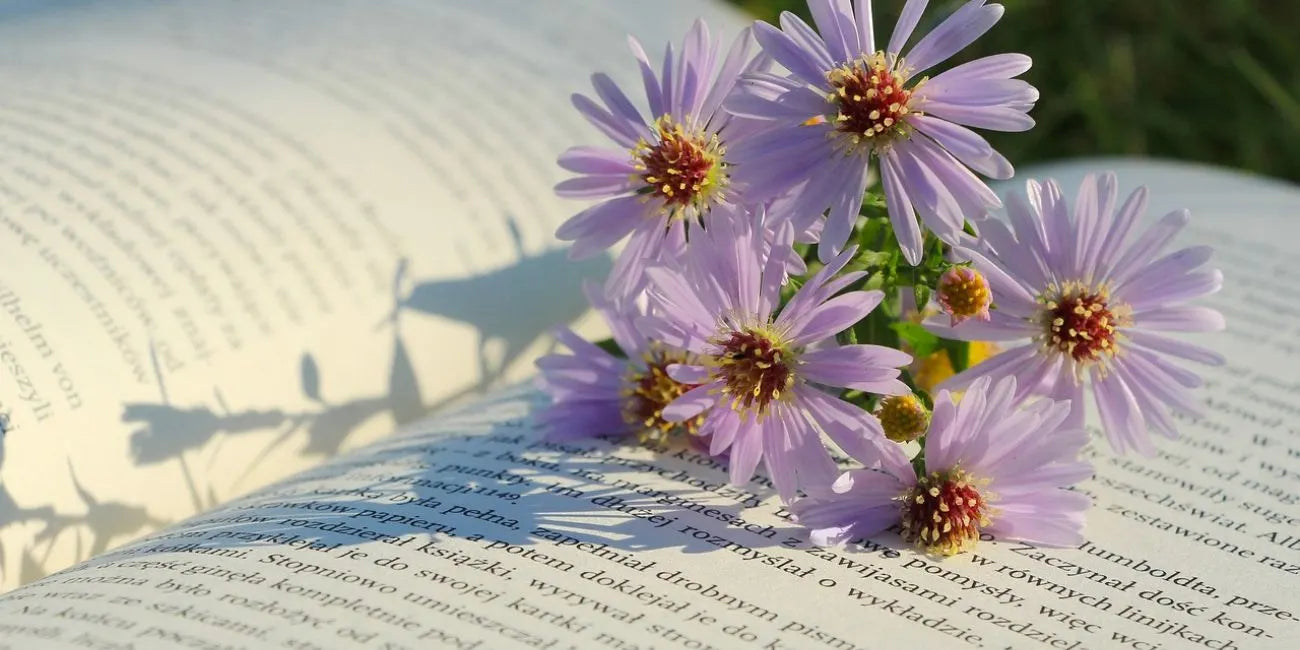
The visual beauty of flowers activates the brain's reward center in ways that other gifts simply cannot replicate. Colors, in particular, play a crucial role. Bright yellows and oranges stimulate energy and optimism, while soft pinks and purples create feelings of calm and appreciation. When we choose flowers for someone's birthday, we're not just selecting a pretty arrangement—we're crafting an emotional experience tailored to their psychological needs.
Flowers as a Language of Effort and Thoughtfulness
Unlike generic gift cards or last-minute purchases, flowers communicate intentionality. The act of selecting, ordering, or arranging flowers requires thought about the recipient's preferences, personality, and the message you wish to convey. This perceived effort translates into emotional value that far exceeds the monetary cost.
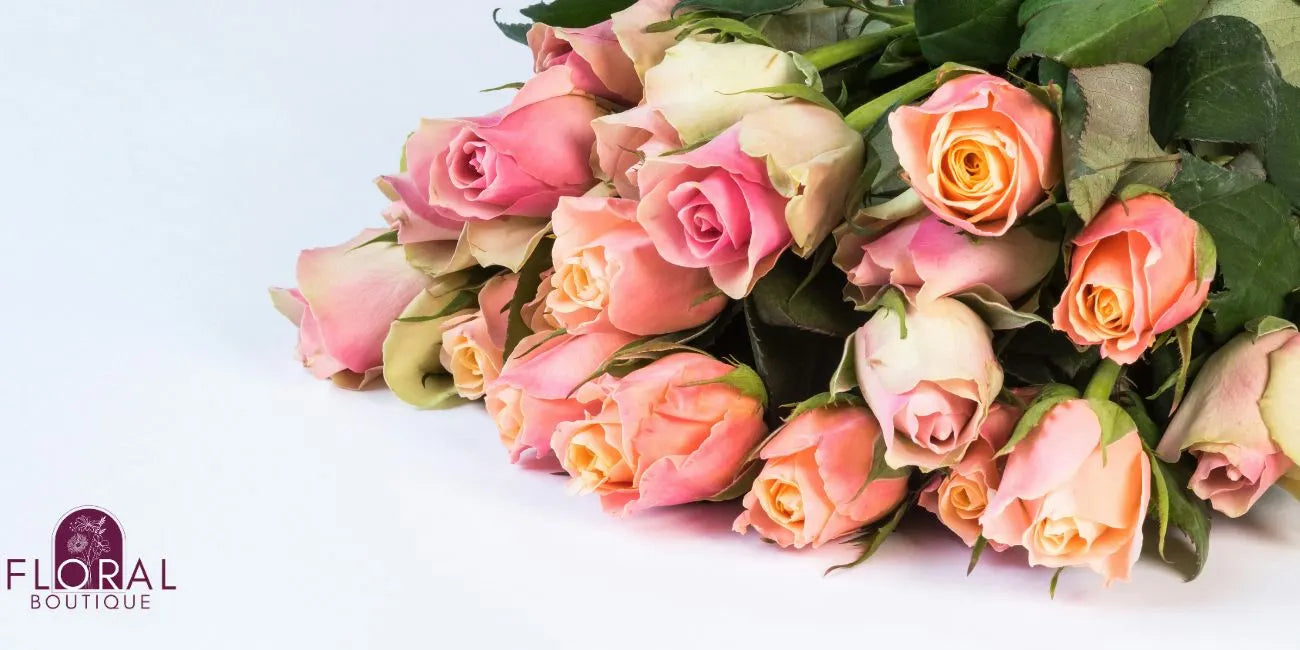
Psychologists refer to this as "relational investment theory." When someone receives a Birthday Flower Bouquet, they intuitively understand that the giver invested time and consideration into the gesture. This perception strengthens social bonds and creates a sense of being valued and understood. The temporary nature of flowers actually enhances this effect—the giver sacrificed something beautiful that won't last forever, making the gesture feel more precious and present-focused.
The Memory-Making Power of Sensory Experiences
Flowers engage multiple senses simultaneously, creating what psychologists call "rich encoding" in memory formation. The visual splendor, delicate textures, and aromatic fragrances work together to create a multi-dimensional experience that embeds itself deeply in our consciousness. Years later, a similar scent or color palette can instantly transport us back to that birthday moment, complete with the emotions we felt.
This sensory richness explains why people often remember birthday flowers long after forgetting other gifts. The brain prioritizes emotionally-charged, multi-sensory experiences when forming long-term memories. When you give flowers, you're not just celebrating a birthday—you're creating a lasting emotional imprint.
Flowers as Non-Verbal Emotional Communication
For many people, expressing deep emotions verbally feels awkward or vulnerable. Flowers serve as emotional proxies, allowing us to communicate feelings that might otherwise remain unspoken. A vibrant arrangement can say "I celebrate your existence" without the discomfort of direct emotional declaration.
This is particularly significant in relationships where emotional expression doesn't come naturally. Flowers bridge the gap between feeling and expression, providing a culturally-accepted vehicle for conveying care, appreciation, and love. The symbolic meanings attached to different flowers add another layer of unspoken communication—roses for love, sunflowers for admiration, lilies for renewed happiness.
The Role of Tradition and Cultural Conditioning
The psychology of birthday flowers is also deeply rooted in cultural conditioning. From childhood, we observe flowers appearing at celebrations, creating neural associations between blooms and positive life events. This learned response becomes so ingrained that flowers automatically signal celebration and importance, regardless of our personal flower preferences.
Brands like Floral Boutique understand this psychological foundation and create arrangements that tap into these deep-seated associations. By combining traditional elements with contemporary design, they honor the emotional significance flowers carry while adapting to modern aesthetic preferences.
More Than Meets the Eye: The Psychological Power of Fragrant Flowers
Giving flowers on a birthday is a time-honored tradition that taps into deep psychological needs, connecting the giver and receiver through a meaningful, tangible gesture. These vibrant gifts are often perceived as a spontaneous expression of affection, which makes the recipient feel seen and valued, reinforcing their sense of self-worth and significance on their special day. The universal language of flowers, with their diverse colors and shapes, allows for personalized communication of emotions that words sometimes fail to capture. Beyond the visual appeal, the presence of Fragrant Flowers engages the sense of smell, creating powerful, positive memories through their connection to the olfactory system, making the birthday celebration truly unforgettable.
The Gift That Prioritizes Experience Over Materialism
In an era of overwhelming consumerism, birthday flowers represent a refreshing alternative. They acknowledge that the most valuable gifts aren't things we keep forever, but experiences that enrich our present moment. This aligns with growing psychological research showing that experiential gifts generate more lasting happiness than material possessions.
Flowers remind us to be present, to appreciate beauty in the now, and to embrace impermanence. These philosophical undertones resonate deeply with our psychological need for meaning and mindfulness, making birthday flowers feel more substantial than their temporary nature might suggest.
The Modern Convenience of Thoughtful Gifting
Today's digital age has made expressing these meaningful gestures even more accessible. Whether you're across town or across the country, services offering flower delivery Bangalore and other major cities ensure that distance never diminishes the emotional impact of your thoughtful gesture. The ability to send fresh, beautiful arrangements with just a few clicks means that expressing care through flowers has never been easier, allowing the psychological benefits of this timeless tradition to reach loved ones regardless of geographical barriers.
Conclusion
The psychology behind giving birthday flowers reveals they are far more than decorative gestures. They are neurological happiness triggers, memory-makers, emotional translators, and symbols of intentional care. When we give flowers on someone's birthday, we're participating in a deeply human ritual that acknowledges their existence, celebrates their journey, and creates lasting emotional connections. In understanding why flowers matter psychologically, we gain appreciation for this timeless tradition that continues to touch hearts across generations and cultures.