How to Care for the Rubber Tree Plant: The Dos and Don’ts
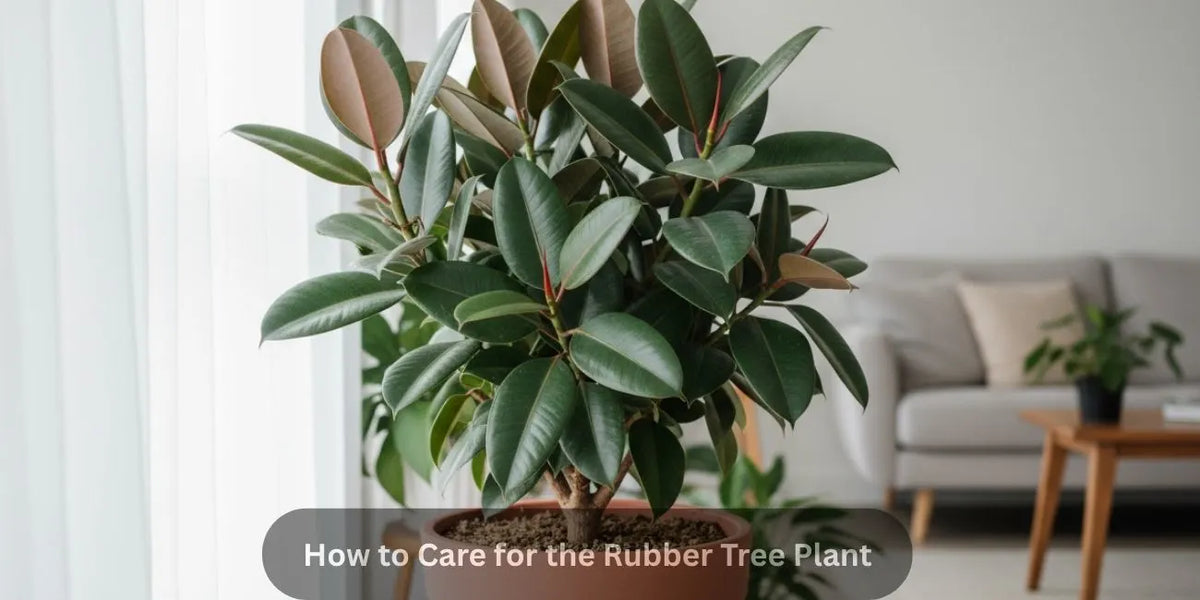
Rubber plants are known to be unique and beautiful indoor plants. Also known as Ficus elastica, it has a large, shiny, and thick leaf. Rubber trees are known to purify air and remove toxins and are a low-maintenance plant. They are grown in tropical regions of Southeast Asia and require minimal care. In some cultures, Rubber tree is a lucky plant, mainly in Vastu and Feng Shui. When kept in homes, they are believed to attract wealth, prosperity, and abundance. In this blog, we will explore the necessary dos required for rubber plant care and the don’ts.
How to Care for a Rubber Plant?
Besides their glossy looks, rubber plants are low-maintenance and top choices for indoor plants. They are adaptable and can grow in any setting and temperature. But it should be kept away from direct sunlight.
Tips for rubber plant care:
Watering
Rubber plants need constant watering, though they are tolerant of drought. Overwatering can cause its leaves to fall and roots to rot. The soil should remain moist (not waterlogged) and get proper sunshine. Though watering in winters is not advised.
Fertilizing
Rubber trees need heavy fertilizers and require plant nutrients to promote strong and healthy growth. If the leaves start getting discolored/yellow or fall off, know that enough fertilizer has not been given. Fertilizing the plant is only advised during the growing season, that is, spring to summer. There are various natural fertilizers—cow dung mix, banana peel water, and vermicompost tea—that help keep the plant healthy.
Pruning
Rubber trees are slow-growing and need constant pruning to reach the desired height. Any dead or damaged leaves should be removed, as they cause the spread of disease and can kill the plant. You can shape the tree however you want. Cut off the top or the stem according to your desired height. Wearing gloves is advised when pruning, as its sap can cause irritation to your skin and eyes.
Pruning Steps
-
Use sterilized garden scissors or secateurs
-
Simply cut the central stem or just above the leaf node. It helps the growth of side branches.
-
Pruning is advised during spring or early summer.
Leaf Care
Rubber plant care is important; just like pruning, watering the leaves of the rubber tree also requires attention. To keep its shine, wipe it with a damp cloth or a sponge carefully and remove the dust. Dust buildup on the plant can cause the plant to deteriorate and look dirty. Avoid using leaf sprays for their shine, as they can clog the pores.
Repotting
Rubber trees grow fast when they're healthy and so need repotting. When you see its root showing out of the pot's drainage hole, know that it needs repotting. Repotting is done every 2 to 3 years and is mostly advised during spring.
Looking for air purifying plants for your home? For online plant delivery in Bangalore, visit us at Floral Boutique. We offer huge collections of air-purifying plants, be they rubber plants, jade plants, or succulent plants. We have got all of it.
How to Propagate a Rubber Plant?
The easiest way to propagate is through rubber plant cutting, cutting its stem. It can be quite difficult at the start, but it is necessary. It helps control the plant size and helps rejuvenate older plants and encourage new growth. The plants become bushier and fuller in appearance. You see, rubber plant care on all sides is important.
Propagation Steps
-
With the help of secateurs, cut the stem of the plant 10cm long. Use gloves while cutting to avoid irritation to your skin.
-
Dip it in a rooting hormone or submerge it under warm water, carefully making sure the leaf does not touch the water to avoid rotting of the root.
-
Put the plant in water and replace the water after 3 days.
-
Keep the plant in a warm, bright place.
-
Rooting occurs after 3 to 4 weeks, and transfer it to a pot once the roots grow 2 to 3 inches long.
Common Problems that occur in Rubber Plants
Rubber plants, though low maintenance, should be taken care of to avoid common issues like root rot, overwatering, etc. Here are the major problems commonly seen in rubber trees that should be avoided. Tips for rubber plant care.
-
Yellow leaves and root rotting—overwatering of the plant and poor drainage can cause it. Place the plant in a free pot where water can easily be absorbed, and avoid too much watering.
-
Leaf browning—this is caused when the plant is placed in low humidity and is over-fertilized. In such a case, constant misting is required, and stop over-fertilizing.
-
Honeydew/white cottony Stuff on leaves—when you see webby and cottony masses on the plant, it could be the cause of mealybugs or spider mites. In such a case, oil spray or wiping off the masses with cotton dipped in alcohol is advised.
Why is the Rubber Plant a must-have in Your Homes?
Besides being a good-looking plant, here are the top reasons why Ficus Elastica is a must-have indoor plant in your home.
-
Acts as an excellent air purifier.
-
Low-maintenance plant.
-
Adds elegance and enhances the space.
-
Considered to bring luck and prosperity.
-
Acts as a humidity booster.
Final Thoughts
Rubber plant care is easier than it sounds. To ensure proper growth of the plant, proper sunlight, balanced fertilizer, and proper pruning are necessary. This plant not only enhances the space of your home but also acts as an air purifier, helping to improve indoor air quality.
Looking to enhance the look of your home with indoor plants? Visit Floral Boutique and explore our wide collection of exotic indoor plants. For same day plant delivery, visit our website and place your order.